A Fiery Kick-Off: The Thailand MotoGP Sprint Race Delivers Early Drama
The exhilarating world of MotoGP roared back into action with a dramatic and controversial motogp sprint race at the Chang International Circuit in Buriram, Thailand. Fans were on the edge of their seats as rookie sensation Pedro Acosta claimed his maiden victory in the premier class, but not without a significant assist from a last-lap penalty handed to the formidable Marc Marquez. This race was a testament to the unpredictable nature of the sprint format, setting a high bar for the rest of the season and leaving plenty to discuss.
From the moment the lights went out, the tension was palpable. Pole-sitter Marco Bezzecchi, who had dominated practice sessions and narrowly edged out Marquez for pole, was poised to convert his strong form into a win. However, fate had other plans for the Aprilia rider. On just the second lap, Bezzecchi, pushing hard and under immense pressure, lost control at Turn 8, crashing out of the lead. This unexpected turn of events immediately opened the door for a new narrative, transforming the race into a head-to-head spectacle between two Spanish titans: the seasoned veteran Marc Marquez and the hungry young gun, Pedro Acosta.
The early exit of Bezzecchi, coupled with his earlier spills during practice and qualifying, painted a challenging picture for the Italian, highlighting the fine margins and unforgiving nature of top-tier motorcycle racing. His unfortunate hat-trick of crashes ultimately paved the way for the thrilling duel that would define the day's motogp sprint race.
The High-Stakes Duel: Acosta vs. Marquez in a Battle for Glory
With Bezzecchi out of contention, the Thailand motogp sprint race quickly evolved into a captivating cat-and-mouse game between KTM's Pedro Acosta and Ducati's Marc Marquez. These two riders, heavily rumored to be future factory Ducati teammates, showcased a preview of what could be a dominant partnership – or a fierce rivalry – in seasons to come. Their race-long battle was a masterclass in aggressive yet precise riding, with each rider pushing the other to their absolute limit over the 13-lap dash.
The lead changed hands multiple times, creating a relentless ebb and flow that epitomizes the excitement of the sprint format. Acosta, demonstrating incredible maturity and pace for a rookie, made daring passes on Marquez on laps seven, ten, and eleven. Each time, however, the eight-time world champion immediately retaliated, showcasing his unparalleled ability to reclaim position with surgical precision. Marquez's strategy seemed clear: control the pace, respond to every challenge, and avoid unnecessary risks, especially after witnessing Bezzecchi's early demise.
The intensity ratcheted up even further in the closing laps. After Acosta once again managed to get ahead on the penultimate lap, Marquez launched a breathtaking last-ditch effort. With a daring dive down the inside of the final corner, Marquez snatched back the lead, forcing Acosta wide. It was a classic Marquez maneuver – bold, aggressive, and seemingly effective. The crowd erupted, believing they had just witnessed a quintessential Marc Marquez victory.
The Penalty Heard 'Round the World: Deciphering the Controversial Decision
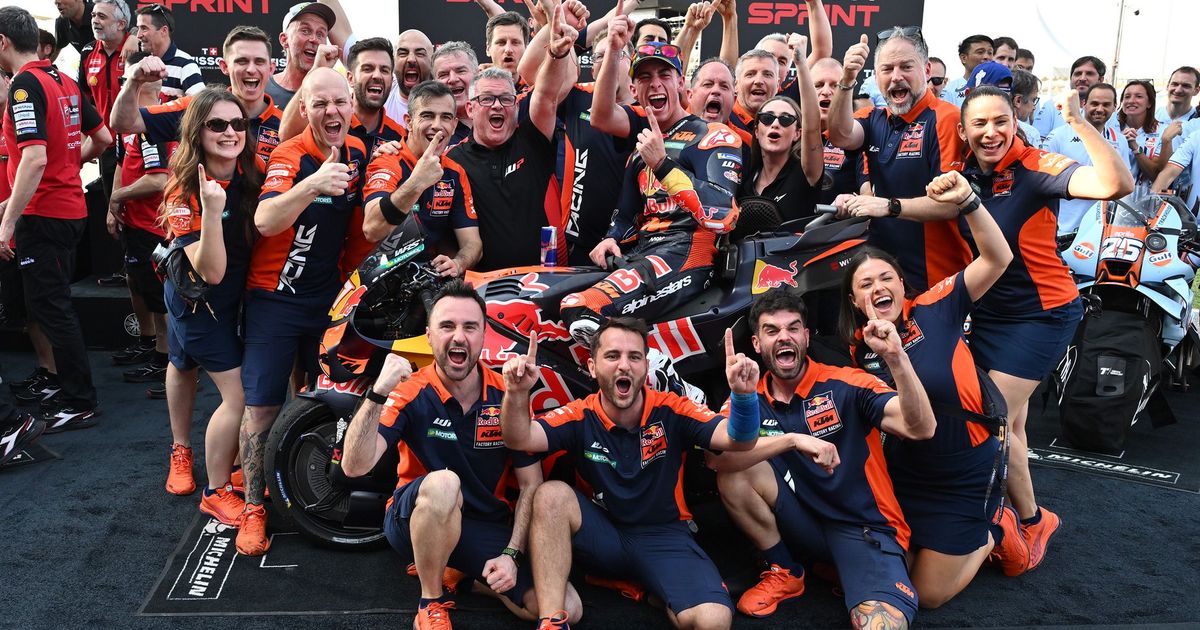
Just as Marc Marquez crossed the finish line in first place, the jubilant celebrations were quickly overshadowed by a race stewards' decision that sent shockwaves through the paddock. Marquez was immediately issued a penalty for "irresponsible riding" in his final-corner overtake on Pedro Acosta. The directive was clear: drop one position on the final lap. This controversial ruling meant that Marquez had to cede the victory to Acosta, who then crossed the line a mere 0.108 seconds ahead, securing his maiden MotoGP win.
The reaction to the penalty was immediate and polarized. Ducati team manager Davide Tardozzi did not mince words, vehemently calling the decision "unfair." Speaking to motogp.com, Tardozzi argued, "Marc didn't touch Pedro, he didn't go out of the race track… I'm sure Pedro would do the same." His impassioned defense highlighted the subjective nature of racing incidents and the fine line between aggressive racing and irresponsible conduct, a debate often central to motogp sprint race discussions.
Marc Marquez, however, displayed a pragmatic and characteristic calm when questioned about the penalty. "My opinion is that race direction decides, so I follow their rules," he stated, refusing to engage in further criticism. His stoic acceptance, especially given his recent return from shoulder surgery, underscored his focus on the broader championship picture. Marquez acknowledged his strategy of controlling the race after Bezzecchi's crash, responding to Acosta's overtakes, but ultimately conceding to the stewards' judgment. This incident will undoubtedly be a talking point throughout the season, raising questions about consistency in stewarding decisions and the impact on the competitive nature of the sport.
A New Star Rises: Pedro Acosta's Historic Maiden Win and Future Impact
While the circumstances of his victory were tinged with controversy, Pedro Acosta's first MotoGP win marks a truly historic moment for the young Spaniard and for KTM. He becomes the first KTM rider ever to lead the MotoGP world championship standings, a remarkable achievement for a rookie in his debut season. Despite the unusual manner of his win, Acosta's talent and potential are undeniable. His ability to battle wheel-to-wheel with a legend like Marc Marquez for an entire motogp sprint race speaks volumes about his racing prowess.
Acosta himself expressed a slightly bittersweet sentiment regarding his triumph. "Super cool to make a sprint like this, especially with Marc," he remarked, adding, "It's true that maybe I don't feel like a winner because he let me past, but we have another opportunity tomorrow." This acknowledgment of the penalty's role highlights his desire for a definitive, unquestionable victory in the full-length Grand Prix. His focus immediately shifted to Sunday's main race, aiming to secure that "real victory" and further cement his place among the elite.
Rounding out the podium was fellow Spaniard Raul Fernandez on an Aprilia, a strong performance that often gets overshadowed by the drama at the front. Further down the field, Australia's Jack Miller finished as the best of the Yamaha contingent in 15th, showcasing the competitive challenges faced by many riders in this thrilling sprint format. Acosta's early success serves as a clear indicator that a new generation is ready to challenge the established order, promising an electrifying future for MotoGP.
Mastering the Sprint: Strategies and Spectacle in Modern MotoGP
The Thailand Grand Prix sprint race once again underscored the unique dynamics and strategic intricacies introduced by the motogp sprint race format. These shorter, more intense races are not merely truncated versions of the main Grand Prix; they demand a completely different approach from riders and teams.
- All-Out Attack Mentality: With fewer laps and fewer points on offer compared to the main race, riders often adopt a "no holds barred" strategy. There's less emphasis on tire management and fuel conservation, encouraging aggressive overtaking and relentless pace from start to finish. This leads to the kind of wheel-to-wheel action seen between Acosta and Marquez.
- High Stakes, High Risk: The compressed nature means that any mistake, like Bezzecchi's early crash, can be devastating. There's less time to recover lost positions, making every corner and every overtake critical. This amplifies the drama and unpredictable outcomes.
- Impact on Championship: While the points awarded for sprint races are fewer than for a full Grand Prix, they can accumulate significantly over a season. A strong performance in sprints can be crucial for championship contenders, adding another layer to their strategic thinking. Riders must balance the desire for sprint points with the need to stay safe for the main race on Sunday.
- Team Tactics: Teams often use sprint races to fine-tune setups or try different strategies that might be too risky in the main event. It's a valuable testing ground under competitive conditions, providing crucial data for Sunday's performance.
For fans, the motogp sprint race offers an immediate injection of adrenaline, a concentrated dose of the best action MotoGP has to offer. It's a format designed to thrill, and as evidenced by the drama in Thailand, it rarely disappoints. Understanding these strategic nuances enhances the viewing experience, allowing fans to appreciate the incredible skill and calculated risks taken by these elite athletes.
The Thailand MotoGP sprint race provided a sensational start to the season's sprint calendar. Pedro Acosta's maiden victory, even with the accompanying controversy, signals the arrival of a major new talent ready to challenge for supremacy. The dramatic battle with Marc Marquez, culminating in a last-lap penalty, has ignited passionate debate and showcased the raw, unadulterated excitement that only MotoGP can deliver. As the championship unfolds, every motogp sprint race will undoubtedly be a crucial battleground, offering high-octane action, strategic intrigue, and the constant potential for unexpected twists and turns that keep fans eagerly anticipating the next round.